
Lawn Care in the Milwaukee Area
A healthy lawn starts underground. Fertilization, weed control, aeration and overseeding programs built for Wisconsin soil and grass types, not generic bag-on-a-shelf treatments.
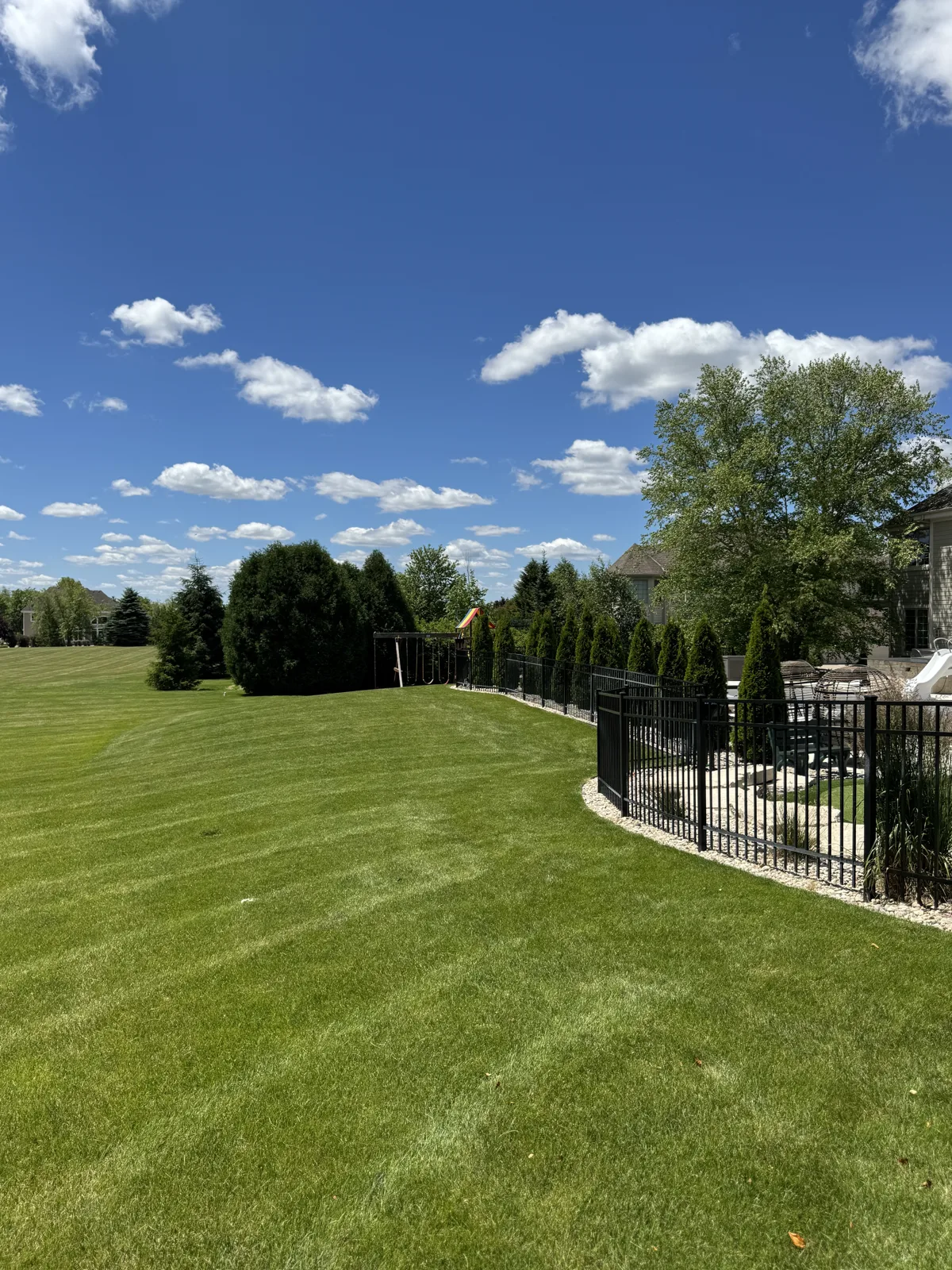
About This Service
Most lawn problems are a soil problem in disguise.
Thin grass, bare patches, stubborn weeds. These are symptoms, not the actual problem. The real issue is almost always in the soil, whether that is compaction, pH imbalance, nutrient deficiency or timing that does not match Wisconsin's actual growing calendar.
We start with a property walkthrough and soil assessment, then build a seasonal program around what your specific lawn needs. The right nutrients, applied at the right rates, at the right times.
What You Get
No shortcuts. No fine print.
Here's exactly what's included in every lawn care visit.
Soil assessment first
We evaluate before we treat. No guessing, no blanket applications. Your soil type determines the program.
Slow-release fertilization
Granular slow-release formulas applied at the right times for steady, healthy growth.
Pre and post-emergent weed control
Pre-emergent stops crabgrass before it germinates. Post-emergent targets what's already growing.
Core aeration
Pulling plugs breaks compaction and lets nutrients actually reach the root zone.
Overseeding
Dense, even coverage fills thin and bare areas with the right grass species for your conditions.
Winterization
A properly timed late-season fertilizer builds root reserves for fast, strong spring green-up.
Lawn Program Guide
How a healthy Milwaukee lawn is built over a season.
Fall feeding counts the most
UW Madison Extension calls Labor Day weekend the prime time to fertilize Wisconsin lawns (UW Madison Extension). Fall growth builds roots that carry the lawn into next year. Spring feeding gets the attention, but fall is where thick turf comes from.
Phosphorus is restricted
Wisconsin limits phosphorus lawn fertilizer to new lawns or lawns where a soil test shows a need (Wisconsin DATCP). That rule protects lakes and streams. Our programs follow it, so a soil test is the first step when a lawn is not responding.
Thin lawns need more than food
Fertilizer cannot fix compacted clay or bare spots. Late summer is the window for aeration and overseeding, and mowing high keeps new grass growing. We look at all three before recommending a plan.
How many applications per year?
Is it safe for kids and pets?
My lawn has a lot of weeds. Where do we start?
Do I need aeration every year?
Is fertilizer safe for kids and pets?
Why is my lawn still thin after fertilizing?
Service Areas
Lawn care by city.
Also Available
Other services we offer.
Give your lawn the program it actually needs.
Free lawn assessment and seasonal program proposal. No commitment required.
262-400-2085Every day, 5am to 9pm
info@gusslawncare.comGet a Free Quote
Fill out the form below and we will get back to you the same day.