
Feed it right and the weeds lose.
A season long feeding and weed control program from a local crew that actually walks your lawn, not a national route truck.
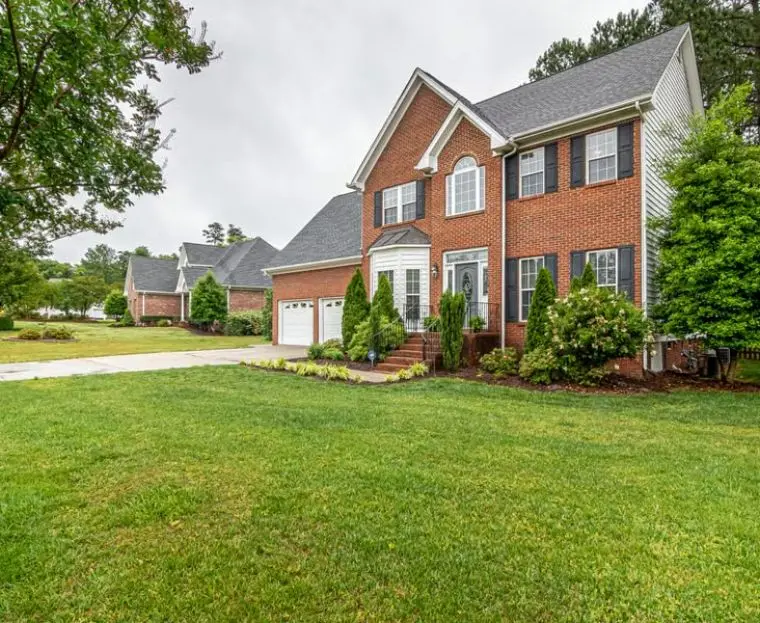
About This Service
A good program is about timing, not just product.
Most lawns around here do not need more fertilizer. They need the right amount at the right time. Too early or too heavy and you grow weeds and disease instead of grass.
We build the schedule around Wisconsin's real growing calendar and what your lawn shows us. You always know what went down and when the next visit is.
What You Get
No shortcuts. No fine print.
Here is exactly what is included in every fertilization program.
Lawn check first
We look at the soil, grass type and problem areas before recommending anything.
Slow release feeding
Granular slow release products for steady color and growth, not a quick surge that fades.
Weed control
Pre-emergent stops crabgrass before it starts. Post-emergent handles what breaks through.
Even coverage
Calibrated spreaders and careful passes, so there are no stripes, misses or burned spots.
Winterizer
A late season application builds root reserves for a faster green up in spring.
Pairs with aeration
Feeding works best when soil is open. We can add core aeration and overseeding in the fall.
Feeding Guide
What a good feeding program looks like in Wisconsin.
Fall is the big one
UW Madison Extension points to Labor Day weekend as the prime time to fertilize Wisconsin lawns (UW Madison Extension), with nitrogen and potassium doing the work. Fall feeding builds roots and carries into next spring.
Phosphorus only when needed
Wisconsin restricts phosphorus lawn fertilizer unless you are starting a new lawn or a soil test shows a deficiency (Wisconsin DATCP). A soil test tells us what your lawn actually needs instead of guessing.
Clippings count too
Returning clippings recycles nitrogen, so a lawn that is mowed right often needs less fertilizer over the year. Feeding works best paired with mowing at the right height and aeration on compacted soil.
How many applications does a lawn need?
Is it safe for kids and pets?
My lawn is mostly weeds. Is it worth it?
Can I start in the middle of the season?
How many applications do I need?
Can you fertilize near a lake or stream?
Service Areas
Fertilization by city.
Also Available
Other services we offer.
Put your lawn on a program that fits it.
Free lawn check and a season plan. No commitment required.
262-400-2085Every day, 5am to 9pm
info@gusslawncare.comGet a Free Quote
Fill out the form below and we will get back to you the same day.